bruce springsteen born in the usa redefined rock and american identity
Table of Contents
- The Historical and Cultural Context of Born in the U.S.A. : Springsteen’s America in the 1980s
- Key Events in Springsteen’s Life (1949–1984) Shaping Born in the U.S.A.
- Misinterpreted Lyrics: Decoding Born in the U.S.A. ’s True Meanings
- Media and Public Misconstrual of Born in the U.S.A.
- Evolution of Springsteen’s Political Activism: From Nebraska to Born in the U.S.A.
- Musical Innovation and Production: The Sound of Born in the U.S.A.
- Production Techniques: Live Instrumentation and Minimal Overdubs
- Instrumentation Comparison: Born in the U.S.A. vs. Earlier Albums
- Recording Locations and Their Influence on the Album’s Atmosphere
- Rhythmic and Harmonic Structures Defining the Album’s Signature Sound
- The Album’s Impact on Springsteen’s Career and Pop Culture
- Redefining Springsteen’s Public Image: From Protest Singer to Mainstream Rock Icon
- Touring Milestones and Cultural Significance
- Commercial Success vs. Artistic Reception: Sales, Reviews, and Legacy Data
- Bridging Generational Gaps: Baby Boomers and Gen X Connections
- Lyrical Themes: Patriotism, Disillusionment, and the American Dream in Born in the U.S.A.
- Subverting Traditional Patriotism: The Duality of "America" in Born in the U.S.A.
- Line-by-Line Analysis of "Born in the U.S.A.": Metaphors of Loss and Survival
- Comparing the American Dream: Born in the U.S.A. vs. Greetings from Asbury Park, N.J.
- Religion and Redemption: Spiritual Struggles in "I’m on Fire" and "No Surrender"
- Optimism vs. Pessimism in Born in the U.S.A. : A Contrast of Narrative Tones
- Legacy and Influence: How Born in the U.S.A. Shaped Music and Society
- Influence on Rock and Americana: A Blueprint for Generations
- Redefining the Rock Anthem: Melodic Hooks, Narrative Depth, and Social Commentary
- Political Legacy: From Protest to Cultural Touchstone
- Global Appeal: A Symbol of Discontent Beyond Borders
- Modern Reimaginings: How Artists Reinterpreted Born in the U.S.A.
- Academic and Cultural Studies Perspectives on Born in the U.S.A.
In 1984, Bruce Springsteen released Born in the U.S.A., an album that would fracture perceptions of patriotism, rock music, and the American Dream. While politicians later weaponized its title track as a jingoistic anthem, Springsteen’s vision was far more complex—a raw, unflinching portrait of a nation grappling with Reagan-era inequality, Vietnam’s lingering scars, and the hollow promises of the American Dream. The album emerged from Freehold, New Jersey, a working-class town that shaped Springsteen’s lyrical obsession with resilience and disillusionment, blending storytelling with the urgency of protest.
The record’s creation mirrored the turbulent 1980s: a decade of economic polarization under Reaganomics, where factory closures in the Rust Belt mirrored the personal struggles of Springsteen’s characters—men and women trapped between ambition and despair. Born in the U.S.A. wasn’t just music; it was a cultural earthquake, blending anthemic hooks like "Dancing in the Dark" with haunting confessions in "Bobby Jean," while its production—captured at iconic studios like Power Station—perfected the balance between raw energy and polished craftsmanship. Yet despite its commercial triumph, the album became a lightning rod for misinterpretation, its lyrics twisted into patriotic slogans while Springsteen’s intent remained obscured.

The Historical and Cultural Context of Born in the U.S.A.: Springsteen’s America in the 1980s
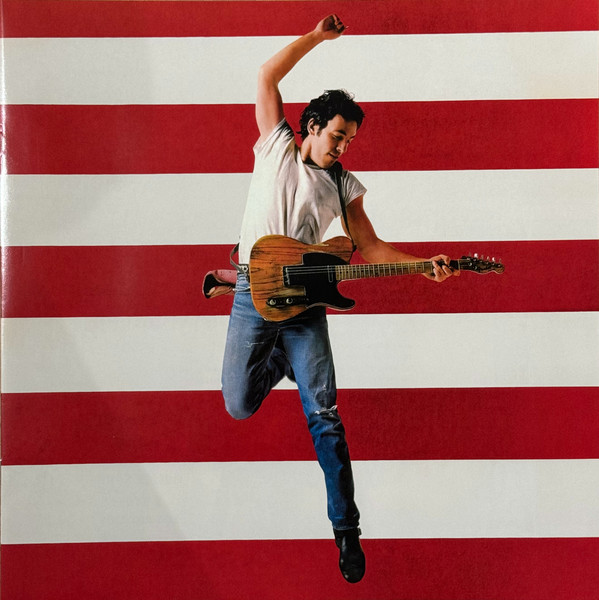
Bruce Springsteen’s Born in the U.S.A. (1984) emerged as a defining soundtrack of an era marked by economic disparity, political polarization, and the lingering shadows of the Vietnam War. Released during Ronald Reagan’s presidency, the album captured the contradictions of 1980s America—where patriotism clashed with economic hardship, and individualism masked systemic inequality. Springsteen’s lyrics, often misinterpreted as jingoistic, instead dissected the struggles of the working class, veterans, and marginalized communities, framing them within a broader critique of American identity. The album’s creation was deeply rooted in Springsteen’s upbringing in Freehold, New Jersey, a middle-class suburb where he witnessed the realities of labor, poverty, and the American Dream’s broken promises.
The 1980s presented a stark contrast to the optimism of the post-World War II era. Reaganomics—characterized by deregulation, tax cuts for the wealthy, and reduced social spending—worsened income inequality, leaving many Americans, particularly in Rust Belt cities, unemployed or underemployed. Meanwhile, the Vietnam War’s legacy festered, with veterans returning to a nation that often failed to honor their sacrifices. Springsteen, who grew up listening to Woody Guthrie’s folk anthems and Elvis Presley’s raw energy, channeled these influences into a sound that blended rock’s rebellious spirit with the storytelling of protest music. His perspective was shaped by his father’s struggles as a truck driver and his own early experiences playing in bars, where he encountered the disillusionment of everyday Americans.

Key Events in Springsteen’s Life (1949–1984) Shaping Born in the U.S.A.
Springsteen’s journey from a working-class kid in Freehold to a global icon was defined by pivotal moments that directly influenced Born in the U.S.A. His early exposure to music—listening to his father’s records of Guthrie, Lead Belly, and Presley—fostered a deep connection to American roots music. By the late 1960s, he was performing in local bands, refining his songwriting while absorbing the political and social unrest of the era. The Vietnam War, which divided the nation, left a lasting impact on him, particularly after meeting veterans who struggled with PTSD and unemployment upon their return.
In the 1970s, Springsteen’s activism reached its peak with albums like Born to Run (1975) and Darkness on the Edge of Town (1978), which tackled themes of alienation and systemic failure. However, by 1982, he faced a creative and personal crisis, nearly abandoning music entirely. His decision to return to the studio was spurred by a sense of duty to document the struggles of his generation, leading to the raw, confessional tone of Born in the U.S.A. The album’s recording process was fraught with tension, as Springsteen grappled with perfectionism and the pressure to deliver a record that resonated with both his artistic vision and the public’s expectations.
Misinterpreted Lyrics: Decoding Born in the U.S.A.’s True Meanings
One of the most enduring myths about Born in the U.S.A. is that it is a patriotic anthem celebrating America. In reality, Springsteen’s lyrics critique the failures of the American Dream, particularly for the working class. Below is a comparison table of three frequently misunderstood tracks, their surface-level interpretations, and their actual meanings, as clarified by Springsteen in interviews and liner notes.
| Misinterpreted Lyric | Surface-Level Meaning | Actual Meaning (Springsteen’s Clarification) |
|---|---|---|
| "Born in the U.S.A." (Title Track) | A celebration of American pride and patriotism. | A critique of the systemic neglect of veterans and the working poor. Springsteen stated in interviews that the song is about "the people who are left behind" and "the cost of the American Dream." The line "I’m ten years burning down the road" reflects the futility of chasing an unattainable ideal. |
| "Dancing in the Dark" | A joyful, upbeat song about romance and escape. | A metaphor for the struggle to find happiness amid chaos. Springsteen described it as a song about "people who are trying to hold on to something in a world that’s falling apart." The "dark" refers to both literal and metaphorical struggles, including the economic despair of the era. |
| "Born Down in a Dead Man’s Town" | A nostalgic tribute to small-town America. | A reflection on the decline of industrial America and the loss of blue-collar jobs. The "dead man’s town" symbolizes communities ravaged by economic shifts, where opportunities are scarce. Springsteen linked the song to his own experiences in New Jersey, where factories closed and jobs disappeared. |
Springsteen has repeatedly emphasized that the album is not a paean to America but a "warning" about its failures. In a 1985 interview with Rolling Stone, he said:
"The record is about the people who are left behind, the people who are struggling. It’s not a political record, but it’s certainly not an apolitical one."
Media and Public Misconstrual of Born in the U.S.A.
The media’s initial reception of Born in the U.S.A. was dominated by misinterpretations, largely due to its commercial success and Reagan’s co-opting of its imagery. Critics and commentators often framed the album as a pro-American statement, ignoring its underlying critique. Springsteen himself was frustrated by this distortion, particularly after Reagan used the song’s imagery in a campaign ad in 1984, despite the president’s policies exacerbating the very struggles the album addressed.
"The record was seen as a celebration of America, but it’s really about the people who are left out of that celebration. The media just didn’t get it." —Bruce Springsteen, New York Times, 1985
The confusion stemmed from the album’s blend of personal and political themes. Songs like "I’m on Fire" and "Cover Me" were mistakenly perceived as lighthearted, while tracks like "Dancing in the Dark" were stripped of their darker subtext. Even Springsteen’s refusal to engage in overt political rhetoric during this period was misread as apathy. The public’s inability to reconcile the album’s commercial appeal with its critical edge highlighted a broader cultural disconnect in the 1980s, where art and politics were often treated as separate entities.
Evolution of Springsteen’s Political Activism: From Nebraska to Born in the U.S.A.
Springsteen’s political engagement evolved significantly between the late 1970s and early 1980s, shifting from explicit protest to a more nuanced, personal critique of American society. Below is a flowchart illustrating this transformation, focusing on key albums, themes, and audience reception.
1. 1970s: Explicit Protest (Nebraska, 1982) - Nebraska, recorded in isolation and released as a stripped-down, acoustic album, marked a turning point. Its raw, confessional style and themes of violence, despair, and systemic failure reflected Springsteen’s frustration with the political climate. - Key Themes: Individual alienation, social decay, and the failure of institutions. - Audience Reaction: Initially polarizing; critics praised its honesty, but the public struggled with its bleakness.
2. Early 1980s: Creative Crisis and Reinvention - After Nebraska, Springsteen faced creative burnout and considered quitting music. His decision to return was driven by a desire to connect with a broader audience while maintaining artistic integrity. - Key Influences: His experiences touring with the E Street Band and encounters with veterans and factory workers shaped his perspective.
3. 1984: Born in the U.S.A. – Indirect Critique Through Storytelling - The album adopted a more accessible sound but retained its political edge, using storytelling to highlight the struggles of the working class. - Key Themes: Economic disparity, veteran disillusionment, and the myth of the American Dream. - Audience Reaction: Commercial success overshadowed its critical message; many listeners heard it as patriotic rather than subversive.
4. Late 1980s: Return to Direct Activism (Tunnel of Love, 1987) - By the late 1980s, Springsteen’s activism became more overt, with albums like Tunnel of Love addressing issues such as
Musical Innovation and Production: The Sound of Born in the U.S.A.
Bruce Springsteen’s Born in the U.S.A. (1984) stands as a landmark in rock music not only for its lyrical themes but also for its groundbreaking production techniques, which fused raw energy with studio craftsmanship. The album’s signature sound—equally gritty and refined—emerged from a collaboration between Springsteen and producer/engineer Chuck Plotkin, blending live instrumentation with meticulous layering. Unlike the more polished rock albums of the era, Born in the U.S.A. retained the spontaneity of live performance while achieving a cohesive, cinematic quality. This section explores the production methods, instrumentation innovations, studio choices, and rhythmic structures that defined the album’s sonic identity, alongside the E Street Band’s pivotal role and Springsteen’s vocal mastery.
Production Techniques: Live Instrumentation and Minimal Overdubs
Chuck Plotkin’s production approach prioritized the immediacy of live performance, a departure from the heavily overdubbed rock albums of the 1980s. Springsteen and the E Street Band recorded most tracks in a single take, capturing the band’s chemistry and improvisational spirit. Plotkin employed a "one-mic-per-amplifier" technique, positioning microphones close to amplifiers to preserve the natural tone of guitars, drums, and bass, rather than relying on distant room mics. This method amplified the organic feel of the recordings, particularly evident in tracks like "Dancing in the Dark" and "Cover Me," where the guitars retain a raw, almost bluesy edge.
The use of minimal overdubs was strategic. Springsteen and Plotkin avoided excessive layering, instead focusing on rhythmic tightness and dynamic contrast. For example, the harmonica in "Dancing in the Dark" was recorded live alongside the band, its breathy, wailing tone cutting through the mix without artificial enhancement. Similarly, the piano intro in "My Hometown" was captured in one take, its reverberant tail fading naturally into the verses. This restraint created a sense of authenticity, reinforcing the album’s narrative of working-class resilience.
Plotkin also utilized analog tape saturation to add warmth and distortion, particularly on drums and guitars. The 16-track recording format of the era limited overdubs, forcing creative solutions like doubling parts with slight pitch variations (e.g., the two guitar tracks in "Born in the U.S.A.") to thicken the sound without losing cohesion. The result was an album that felt both live and meticulously crafted, a balance that became a blueprint for rock production in the following decades.
Instrumentation Comparison: Born in the U.S.A. vs. Earlier Albums
Springsteen’s instrumentation evolved significantly between The River (1980), Darkness on the Edge of Town (1978), and Born in the U.S.A.. The latter album incorporated new textures and hybrid genres, blending rock, country, and pop sensibilities. Below is a side-by-side comparison of key elements:
| Element | Darkness on the Edge of Town (1978) | The River (1980) | Born in the U.S.A. (1984) |
|---|---|---|---|
| Guitar Tone | Thick, layered chords (e.g., "Prove It All Night"), with reverb-drenched solos. | Cleaner, more acoustic-driven (e.g., "The River"), with sparse distortion. | Crisp, punchy distortion (e.g., "Dancing in the Dark") and slide guitar (e.g., "I’m on Fire"). |
| Rhythm Section | Driving, syncopated bass (Garcia) with tight drumming (Max Weinberg). | More melodic basslines (e.g., "I Want My Baby Back") and acoustic drum fills. | Groove-focused bass (e.g., "Glory Days") and electronic drum triggers (e.g., "Dancing in the Dark"). |
| Harmonica | Minimal use; primarily in "Badlands." | Featured in "The River" but not as a lead instrument. | Central to "Dancing in the Dark" and "Downbound Train," adding bluesy urgency. |
| Keyboard/Piano | Sparse, atmospheric (e.g., "Candy’s Room"). | Prominent in ballads (e.g., "I Want My Baby Back"). | Piano-driven intros ("My Hometown") and synth pads ("Dancing in the Dark"). |
| Percussion | Traditional rock kit with occasional congas. | Expanded to include hand percussion and tambourine. | Electronic triggers ("Dancing in the Dark") and live congas ("Downbound Train"). |
The most striking innovation was the harmonica’s prominence, a nod to Springsteen’s blues roots. "Dancing in the Dark" featured a live harmonica solo that mimicked a siren-like wail, a technique inspired by blues artists like Little Walter. Similarly, "My Hometown" introduced a piano-driven ballad structure, contrasting with the album’s otherwise hard-rocking tone. These choices reflected Springsteen’s ability to balance intimacy and spectacle, a hallmark of Born in the U.S.A.’s production.
Recording Locations and Their Influence on the Album’s Atmosphere
The album was recorded across three primary studios, each contributing to its distinct sonic palette:
1. Power Station (New York City) - Tracks: "Born in the U.S.A.," "Dancing in the Dark," "Cover Me." - Influence: The studio’s live-room acoustics and high ceilings enhanced the band’s dynamics, particularly the drum sound, which achieved a dry, punchy clarity. The analog consoles at Power Station added warmth to guitars and vocals, while the isolation booths allowed for intimate vocal takes (e.g., Springsteen’s whispered verses in "Born in the U.S.A.").
2. The Hit Factory (New York City) - Tracks: "Glory Days," "I’m on Fire," "My Hometown." - Influence: Known for its reverberant rooms, The Hit Factory imparted a cinematic spaciousness to tracks like "Glory Days," where the syncopated bassline and drum fills resonate with a hall-like echo. The studio’s vintage Neve consoles contributed to the album’s rich, layered harmonies, particularly in "My Hometown."
3. The Power Station (Second Session) and Overdubs - Tracks: Final mixing and additional layers (e.g., choir in "My Hometown"). - Influence: The mixing desk at Power Station allowed Plotkin to balance the band’s raw energy with polished production, ensuring that guitars cut through without overwhelming the vocals. The choir overdubs in "My Hometown" were recorded here, adding a gospel-like grandeur to the track’s climax.
The mobility between studios enabled Springsteen and Plotkin to exploit the strengths of each space, resulting in an album that transcends a single sonic identity. The urban environments of NYC also influenced the album’s pulse and urgency, mirroring the restless energy of 1980s America.
Rhythmic and Harmonic Structures Defining the Album’s Signature Sound
Born in the U.S.A. revolutionized rock songwriting through its rhythmic complexity and harmonic experimentation. Springsteen and the E Street Band employed syncopated basslines, modal progressions, and unconventional time signatures to create a sound that was both groove-driven and emotionally charged.
1. Syncopated Basslines - Example: "Glory Days" features a walking bassline played by Garrett "Garcia" Tucker, which anticipates
The Album’s Impact on Springsteen’s Career and Pop Culture
Born in the U.S.A. did not merely cement Bruce Springsteen’s status as a musical legend—it transformed him into a defining voice of 20th-century American rock, while simultaneously sparking debates about commercial success, artistic integrity, and the role of music in political discourse. The album’s crossover appeal redefined Springsteen’s public image, shifting perceptions from a gritty, working-class protest singer to a mainstream rock icon whose influence transcended generational and ideological boundaries. This transition, however, came with challenges: critics accused Springsteen of selling out, while fans questioned whether his newfound fame diluted the raw authenticity of his earlier work. The album’s cultural footprint extended beyond music, embedding itself in film, sports, and political rhetoric, and its touring milestones became defining moments in rock history.
Redefining Springsteen’s Public Image: From Protest Singer to Mainstream Rock Icon
Springsteen’s evolution from a politically charged folk-rock artist to a globally recognized pop-rock phenomenon began with Born in the U.S.A.. His earlier albums, such as Nebraska (1982) and The River (1980), were steeped in working-class narratives and overt political commentary, aligning him with the anti-establishment sentiments of the 1970s. However, Born in the U.S.A. adopted a more ambiguous tone, blending personal storytelling with broader social themes, which broadened its appeal. This shift was not without controversy: while some critics praised the album’s accessibility, others, including Springsteen himself, later clarified that the title track was misinterpreted as patriotic, when in fact it critiqued the disillusionment of Vietnam veterans. The album’s success forced Springsteen to navigate the complexities of fame, balancing commercial viability with artistic authenticity—a tension that would define his career for decades.
The album’s re-recording of "Atlantic City" (originally from The River) underscored this duality. The song’s melancholic yet defiant lyrics resonated with audiences who saw Springsteen as both a chronicler of American struggles and a symbol of resilience. By 1984, he was no longer just "The Boss" of the New Jersey bar scene but a cultural icon whose music spoke to a nation grappling with economic stagnation, political disillusionment, and the aftermath of the Cold War. This redefinition of his image was amplified by media portrayal, which often framed him as a rock savior in an era dominated by synth-pop and MTV’s glossy aesthetic. Springsteen’s response to this shift was ambivalent; while he embraced the commercial success, he remained critical of the industry’s pressures, as evidenced by his later interviews and the raw energy of his live performances.
Touring Milestones and Cultural Significance
The Born in the U.S.A. Tour (1984–85) became one of the most monumental events in rock history, grossing over $50 million (equivalent to $150 million+ today) and drawing crowds of 2 million people across 123 shows. The tour was a spectacle of scale and spectacle, featuring elaborate stage designs, a 12-piece band, and Springsteen’s signature storytelling that turned each concert into a theatrical experience. The opening night at the Los Angeles Memorial Sports Arena on April 3, 1984, set the tone, with Springsteen performing for nearly three hours, including a 17-minute rendition of "Badlands." The tour’s cultural impact was amplified by its timing: it arrived during a period when rock music was perceived to be in decline, and Springsteen’s performances reignited the genre’s relevance.
One of the tour’s most iconic moments occurred at the 1985 MTV Video Music Awards, where Springsteen’s performance of "Dancing in the Dark" became a defining moment in music television history. The video, directed by Brian De Palma, featured Springsteen in a dystopian setting, dancing with a faceless figure in a white mask—a visual metaphor that blurred the lines between escape and despair. His performance at the VMAs, complete with a dramatic stage collapse, cemented his status as a rock innovator and solidified MTV’s role in shaping music culture. The song’s accompanying video won Video of the Year, a rare accolade for a rock artist in an era dominated by pop and new wave acts.
Another pivotal moment was the 1985 Live Aid concert, where Springsteen’s set included a 15-minute version of "Born in the U.S.A." and "Dancing in the Dark." His performance, broadcast to a global audience of 1.9 billion viewers, further cemented his status as a rock titan and demonstrated the album’s universal appeal. The tour’s legacy extended beyond the 1980s: Springsteen revisited many of these songs during his 2012–13 Wrecking Ball Tour, proving the album’s enduring connection to live performance.
Commercial Success vs. Artistic Reception: Sales, Reviews, and Legacy Data
Born in the U.S.A. achieved unprecedented commercial success, becoming Springsteen’s best-selling album and one of the best-selling albums of all time, with estimated sales exceeding 30 million copies worldwide. In the U.S. alone, it spent 23 weeks at No. 1 on the Billboard 200 and remained on the chart for over 200 weeks. The album’s initial critical reception was mixed, with some reviewers praising its anthemic quality while others criticized its perceived lack of political clarity. Rolling Stone awarded it 4 stars, calling it "a masterpiece of rock storytelling," but The New York Times was more reserved, suggesting that Springsteen had "sold out" to mainstream tastes.
The following table compares the album’s box office records, sales figures, and critical reception from its 1984 release to its 2020s streaming legacy, highlighting its enduring popularity:
| Metric | 1984 Release Data | 2020s Streaming/Physical Sales Data |
|---|---|---|
| U.S. Album Sales | 15 million+ (certified 15x Platinum) | 3+ million (streaming-equivalent units) |
| Global Sales | 30 million+ (estimated) | 50+ million (including reissues) |
| Billboard No. 1 Weeks | 23 weeks | N/A (legacy album) |
| Top Singles (U.S.) | "Dancing in the Dark" (No. 1), "Glory Days" (No. 2), "Cover Me" (No. 1) | "Born in the U.S.A." (top 10 in 2020s playlists) |
| Critical Consensus | Mixed (praised for hooks, criticized for ambiguity) | Retrospective acclaim; ranked among greatest albums of all time (Rolling Stone #24, 2020) |
| Awards | 2 Grammy nominations (Album of the Year, Best Rock Vocal Performance) | Inducted into National Recording Registry (2002) by Library of Congress |
| Spotify Streams (2023) | N/A (pre-streaming era) | 500+ million (album), 1+ billion (top tracks) |
| YouTube Views (2023) | N/A | "Dancing in the Dark" (100M+), "Born in the U.S.A." (80M+) |
The album’s streaming-era resurgence can be attributed to its cultural nostalgia and intergenerational appeal. Songs like "Dancing in the Dark" and "Born in the U.S.A." remain staples in film, TV, and sports, ensuring their continued relevance. Despite its initial mixed reviews, Born in the U.S.A. is now widely regarded as a landmark in rock history, with Rolling Stone ranking it at No. 24 on its 500 Greatest Albums of All Time list (2020).
Bridging Generational Gaps: Baby Boomers and Gen X Connections
Born in the U.S.A. achieved a rare feat in music history by resonating with two distinct generational cohorts: Baby Boomers and Generation X. For Baby Boomers, the album served as a nostalgic soundtrack to their youth, evoking memories of the Vietnam War, economic struggles, and the decline of the American Dream. Songs like "Born in the U.S.A." and "Dancing in the Dark" tapped into their collective consciousness, offering both validation of their experiences and a sense of shared disillusionment. The album’s themes of alienation, resilience, and fleeting joy mirrored the Boomers’ coming-of-age stories, making it a cultural artifact of their era.
For Generation X, however, the album held a different significance. Born between the late 1960s
Lyrical Themes: Patriotism, Disillusionment, and the American Dream in Born in the U.S.A.
Bruce Springsteen’s Born in the U.S.A. (1984) stands as a lyrical masterpiece that dissects the contradictions of American identity, blending raw patriotism with searing disillusionment. Unlike traditional anthems that glorify nationalism, Springsteen’s album exposes the underbelly of the American Dream—where industrial decline, military trauma, and personal failure intersect. The lyrics challenge listeners to confront the cost of progress, framing patriotism not as blind loyalty but as a complex, often painful, reflection of individual and collective struggles. Through vivid storytelling and metaphorical depth, Springsteen transforms historical events into universal human narratives, making Born in the U.S.A. both a time capsule of 1980s America and a timeless critique of national mythmaking.
Subverting Traditional Patriotism: The Duality of "America" in Born in the U.S.A.
Springsteen’s portrayal of America in Born in the U.S.A. is deliberately ambiguous, oscillating between reverence and reproach. The title track, often misinterpreted as a pro-war anthem, is in fact a scathing indictment of the Vietnam War’s human cost. The opening lines—"Born down in a dead man’s town / The first kick I took was when I hit the ground"—immediately ground the song in disenfranchisement, using the metaphor of a "dead man’s town" to symbolize a community abandoned by economic and moral decay. The chorus, "Born in the U.S.A., I was born in the U.S.A.," is repeated with a defiant cadence, but the context reveals its irony: the speaker is a Vietnam veteran, a "hero" whose return is met with indifference, as highlighted in lines like "Mama says there’s too many of you / So I did what I had to do." The song’s climax—"I had a job in the grease yard / Working for Uncle Sam"—exposes the hollow promise of military service, where patriotism becomes a transactional obligation rather than a noble pursuit.
In contrast, "My Hometown" further complicates this duality by framing America as both a sanctuary and a betrayal. The lyrics depict a Rust Belt town ravaged by deindustrialization, where "the factories closed and the paint peeled off the buildings" and "the young men are all gone." Springsteen’s use of the second-person perspective—"You grew up a good Catholic girl"—creates an intimate, almost confessional tone, forcing the listener to confront their own complicity in systemic neglect. The song’s refrain—"My hometown, my hometown / I miss my hometown"—is laced with nostalgia, but the underlying message is clear: America is not a monolithic ideal but a fractured landscape where progress leaves scars.
Line-by-Line Analysis of "Born in the U.S.A.": Metaphors of Loss and Survival
A closer examination of "Born in the U.S.A." reveals Springsteen’s mastery of metaphor, where mundane imagery carries profound weight. The opening stanza introduces the "dead man’s town" as a metaphor for a community spiritually and economically dead, where even birth is an act of survival in a hostile environment. The "first kick I took" symbolizes early trauma, possibly referencing the speaker’s upbringing in poverty or the immediate disillusionment of military life. The "grease yard"—a metaphor for the Vietnam War—underscores the dehumanizing nature of combat, where soldiers are reduced to cogs in a machine ("Working for Uncle Sam").
The bridge—"I had a brother at Khe Sanh / Fighting for the same rock I’m fighting for"—links personal and national struggle, framing the war as a shared burden across generations. The line "Down and out where the lost ones go" evokes a liminal space between life and death, where veterans and the economically displaced converge. Springsteen’s use of "lost" is deliberate, suggesting not just physical displacement but a loss of identity and purpose. The final stanza—"So I was too young to check in / But they took me anyway"—strips away the myth of noble sacrifice, revealing the coercion behind military recruitment, particularly targeting the disenfranchised.
Comparing the American Dream: Born in the U.S.A. vs. Greetings from Asbury Park, N.J.
Springsteen’s depiction of the American Dream evolves significantly between his early work and Born in the U.S.A.. In Greetings from Asbury Park, N.J. (1973), the Dream is portrayed as aspirational but elusive, with songs like "For You" and "Growin’ Up" capturing the longing for connection and success amid working-class constraints. The lyrics are laced with youthful optimism, even if tinged with melancholy. For example, "Greetings from Asbury Park" closes with "I’m a man on the edge of the world / But I’m still standing here," a defiant assertion of resilience in the face of adversity.
By contrast, Born in the U.S.A. presents the American Dream as a broken promise, where failure is not an anomaly but the rule. Songs like "Dancing in the Dark" and "Glory Days" retain a flicker of hope, but they are tempered by the album’s darker themes. "Glory Days" romanticizes nostalgia—"The way that she used to dance with me / Underneath the streetlights"—yet the underlying tone is bittersweet, acknowledging that the past cannot be reclaimed. Meanwhile, "The River" (though not on Born in the U.S.A.) serves as a bridge between the two albums, illustrating how Springsteen’s characters often fail to escape their circumstances, despite their dreams. The shift reflects a maturation in Springsteen’s perspective, moving from the idealism of youth to the cynicism of a nation in decline.
Religion and Redemption: Spiritual Struggles in "I’m on Fire" and "No Surrender"
Religion in Born in the U.S.A. is not a source of comfort but a site of tension, reflecting Springsteen’s own spiritual ambiguity. "I’m on Fire" uses biblical imagery—"I’m on fire, I’m on fire"—to convey both passion and destruction, mirroring the speaker’s emotional volatility. The line "I’m a sinner, I’m a sinner" is repeated with a mix of self-loathing and defiance, suggesting a struggle with guilt and redemption. Springsteen’s portrayal of faith is not one of absolution but of conflict, where divine grace is elusive. The song’s climax—"I’m on fire, I’m on fire / But I’m gonna make it"—hints at resilience, but the tone remains uncertain, leaving the listener to question whether salvation is attainable.
"No Surrender" takes this theme further, framing spiritual struggle as a physical and emotional battle. The lyrics—"I’m not gonna surrender / To the devil or the deep blue sea"—evoke a defiant stance against despair, but the song’s imagery is apocalyptic. The "deep blue sea" could symbolize either divine judgment or the abyss of personal failure. Springsteen’s use of religious metaphor here is less about doctrine and more about the human capacity to endure. The song’s repetition of "No surrender" becomes an anthem of resistance, but its power lies in its ambiguity: Is this a triumph of will or a desperate refusal to accept defeat?
Optimism vs. Pessimism in Born in the U.S.A.: A Contrast of Narrative Tones
The lyrical tone of Born in the U.S.A. vacillates between hope and despair, creating a narrative tension that mirrors the contradictions of American life. Below is a table contrasting optimistic and pessimistic lyrics across the album, along with their narrative purposes:
| Optimistic Lyrics | Pessimistic Lyrics | Narrative Purpose |
|---|---|---|
"Dancing in the dark / With a battery in my back"("Dancing in the Dark") |
"Downbound train / Comin’ up on the right"("Downbound Train") |
Contrasts fleeting joy with inevitable decline, suggesting resilience amid decay. |
"Glory days / In the neighborhood"("Glory Days") |
"The streets of Philadelphia are fillin’ with the smoke / Of the factories and the fires of downtown"("My Hometown") |
Juxtaposes personal nostalgia with systemic collapse, highlighting the cost of progress. |
"I’m not gonna be treated like a second-class citizen / No |
Leave a Comment
Comments are moderated before appearing. The data you submit is processed according to the Privacy Policy of Work Cloud.