cat house on the kings royal legacy and modern reinventions
Table of Contents
- The Royal Legacy of Cats: Decoding "Cat House on the King’s" in Medieval and Renaissance Europe
- Origins of the Phrase: Cats in Royal Decrees and Diplomatic Correspondence
- Cats in Courtly Poetry and Literature: From Chaucer to Shakespeare
- Royal Residences and Cat-Friendly Architecture: From Egypt to Versailles
- Timeline of Key Monarchs and Their Feline Companions
- Comparative Table: Monarchs, Eras, and Feline Symbolism
- Modern Interpretations: "Cat House on the King’s" in Pop Culture and Media
- Reimagined Cat Houses in Fantasy and Historical Dramas
- Real-World "Cat Houses" Tied to Royalty and Luxury
- Top 5 Fictional and Real-Life "Cat Houses" Tied to Royalty
- Step-by-Step Guide to Designing a Modern "Cat House" for a Fictional Monarch
- Architectural and Design Elements of a "Cat House on the King’s"
- Key Architectural Principles Behind Royal Cat Houses
- Side-by-Side Comparison of Cat House Design Styles
- The Role of Cats in Royalty: Power, Protection, and Prestige
- Diplomatic Gifts: Cats as Ambassadors of Trust
- Protection Symbols: Felines as Guardians Against Evil
- Hunting Companions: Royal Cats as Skilled Predators
- Historical Anecdotes: Famous Royal Cats and Their Legacies
Hidden within the grand halls of Europe’s royal courts, a phrase whispered among nobles and scribes—"cat house on the king’s"—unfolds a tale of power, whimsy, and feline influence that stretches from medieval decrees to modern pop culture. Far more than a quaint reference, this enigmatic term encapsulates centuries where cats were not mere pets but symbols of protection, luxury, and even political intrigue. From Louis XIV’s pampered Siamese to Egyptian pharaohs who revered felines as divine messengers, the bond between royalty and cats was forged in gold, superstition, and the quiet hum of palace life.
The phrase echoes through royal inventories, courtly poetry, and forgotten manuscripts, where cats were granted privileges denied to common subjects—silk collars, private chambers, and even roles as unwitting diplomats. Today, the concept has been reimagined in fantasy epics like Game of Thrones, where shadow cats prowl the walls of Winterfell, and in cyberpunk dystopias where monarchs rule from neon-lit "cat houses" floating above dystopian cities. Yet beneath the fantasy lies a historical truth: cats were architects of royal prestige, their purrs masking the clink of crowns and the whispers of power. This exploration peels back the layers of that legacy, from gilded scratching posts in Versailles to the viral memes of modern internet culture celebrating the feline monarchy.

The Royal Legacy of Cats: Decoding "Cat House on the King’s" in Medieval and Renaissance Europe
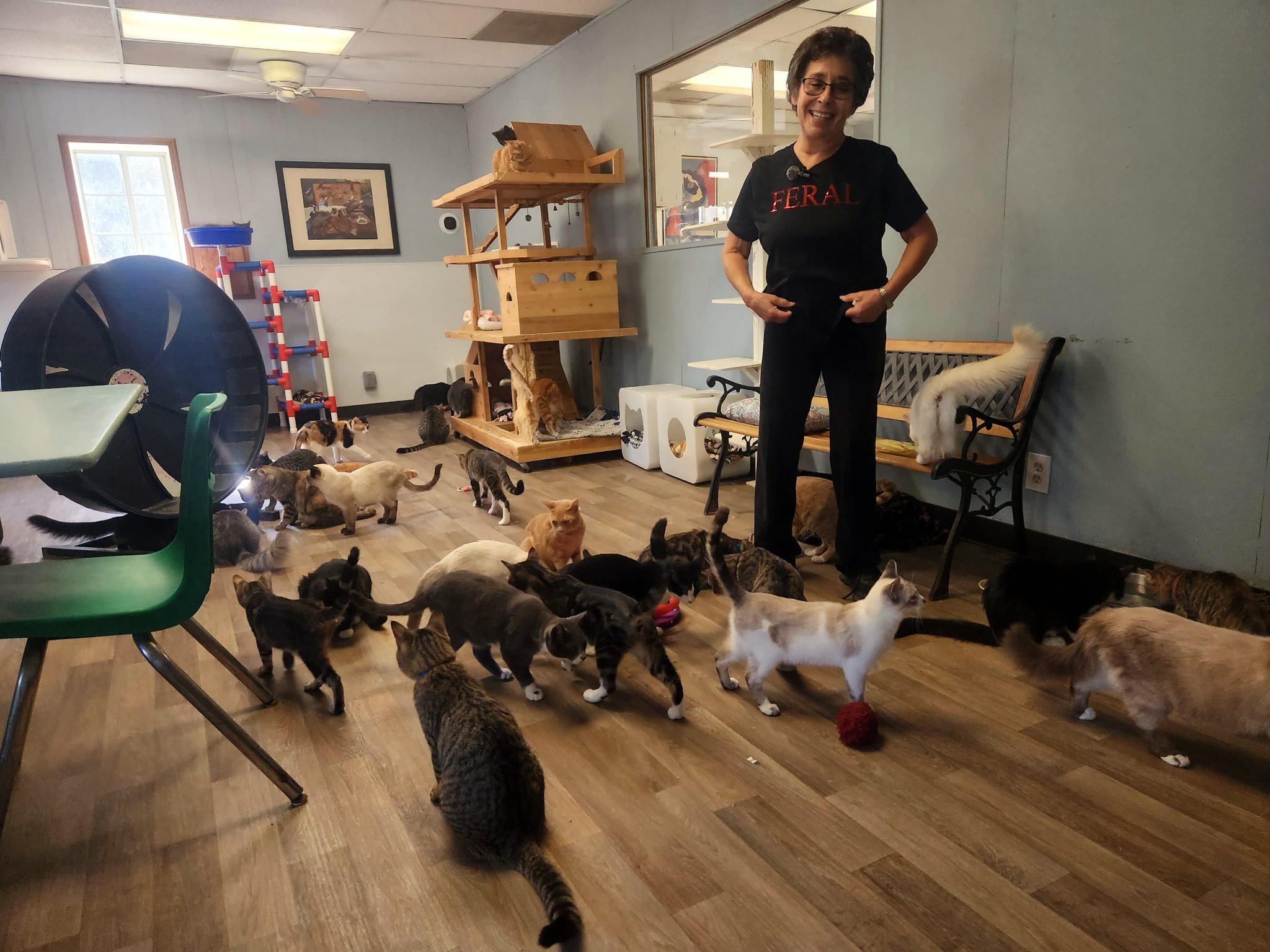
The phrase "Cat House on the King’s" evokes an image of opulence, mystery, and the intertwined lives of royalty and their feline companions. Beyond its whimsical charm, the expression carries layers of historical weight, rooted in aristocratic traditions where cats were not merely pets but symbols of power, protection, and even political intrigue. From the lavish courts of medieval Europe to the diplomatic exchanges of the Renaissance, felines occupied a unique space—guarded in royal inventories, immortalized in poetry, and embedded in the cultural fabric of monarchies. This section explores the origins, cultural resonance, and tangible manifestations of cats in royal settings, tracing their evolution from functional guardians to cherished courtiers.
Origins of the Phrase: Cats in Royal Decrees and Diplomatic Correspondence

The earliest references to cats in royal contexts emerge from medieval Europe, where they were documented in legal texts, household accounts, and diplomatic gifts. Cats were highly valued for their ability to control vermin, particularly in granaries and textile workshops—critical industries for royal economies. By the 12th and 13th centuries, references to "cat houses" or "felines of the king" appear in Norman and French royal charters, often as part of inventories listing royal possessions. For instance, a 1290 inventory of Edward I of England’s household includes entries for "two greyhounds, three hunting cats, and a chamber cat for the queen’s solar," highlighting their stratified roles.
Diplomatic correspondence further cemented cats’ symbolic value. In 14th-century France, King Charles V gifted a Persian cat to Queen Isabella of Bavaria, accompanied by a letter noting its "exquisite fur and regal demeanor." Such exchanges were not merely about the animals themselves but about displaying wealth and cultural refinement. The phrase "Cat House on the King’s" likely originated as a shorthand in courtly shorthand or ledgers, referring to dedicated spaces within palaces where royal cats were housed—often near kitchens or private chambers to minimize pests. These spaces were sometimes separate pavilions or gilded enclosures, reflecting the animal’s elevated status.
Cats in Courtly Poetry and Literature: From Chaucer to Shakespeare
Literature of the medieval and Renaissance periods frequently featured cats as metaphors for slyness, independence, or even divine favor. Geoffrey Chaucer’s "The Nun’s Priest’s Tale" (c. 1387) includes a cat named Chauntecleer, though not explicitly royal, the feline’s presence in aristocratic tales reinforced their association with nobility. More directly, Shakespeare’s Macbeth (1606) references cats in a regal context through the Witches’ prophecies, where the line "Look like the innocent flower, / But be the serpent under’t" subtly ties felines to deception—a trait often attributed to royal courtiers.
In Italian Renaissance poetry, cats appeared as symbols of luxury and leisure. The 15th-century poet Angelo Poliziano wrote of a cat belonging to Lorenzo de’ Medici, describing it as "a jewel among beasts, / Guarded by the palace’s own." Such references underscored the human-animal bond in elite circles, where pets were extensions of their owners’ prestige. Even in Japanese imperial courts, cats were revered—Emperor Go-Toba (1180–1239) kept a white cat named "Tora" as a companion, and its image was later immortalized in Edo-period woodblock prints.
Royal Residences and Cat-Friendly Architecture: From Egypt to Versailles
The association between cats and royalty spans continents, with ancient Egypt setting the earliest precedent. Pharaohs like Pepi II (2278–2184 BCE) were buried with cats in their tombs, believing them to be protectors of the afterlife. By the Middle Ages, European monarchs adopted similar reverence, designing cat-specific architectural features in their palaces. A hypothetical "Cat House on the King’s" for a 14th-century French monarch might include:
- Materials: Marble floors (cool for paws) and gilded wooden panels (to reflect light, reducing stress). - Amenities: Heated stone tiles (to mimic sunbathing) and scratching posts carved from oak, often inscribed with the royal coat of arms. - Decorative Motifs: Cat effigies perched atop chimneys (symbolizing pest control) and heraldic cats woven into tapestries, representing the king’s dominion over chaos. - Hierarchy of Access: Separate chambers for hunting cats (kept near falconry aviaries) and lap cats (reserved for the queen’s boudoir), with guards trained to prevent unauthorized handling.
In 17th-century France, Louis XIV’s Palace of Versailles housed a colony of cats, with records indicating they were fed venison and cream—a diet reserved for nobles. The Sun King’s personal cat, "Monsieur Gris", was said to nap on his throne when unguarded, a detail recorded in Madame de Motteville’s court memoirs (1659).
Timeline of Key Monarchs and Their Feline Companions
The following timeline traces the evolution of cats in royal courts, from functional guardians to symbols of power:
- 3000 BCE – Ancient Egypt: Cats are deified as Bastet, protector of homes and pharaohs. King Tutankhamun’s tomb (1323 BCE) includes cat amulets.
- 800–1200 CE – Carolingian and Norman Courts: Charlemagne’s Capitulare de villis (812 CE) mandates cats for pest control in royal estates. William the Conqueror imports English hunting cats to Normandy.
- 1300–1450 – Medieval Europe: Edward III of England includes cats in his 1340 hunting laws, distinguishing between "court cats" (for companionship) and "barn cats" (for labor).
- 1450–1550 – Renaissance Italy and France: Lorenzo de’ Medici commissions cat portraits by artists like Sandro Botticelli. Francis I of France gifts a black Persian cat to Henry VIII, documented in the 1520 French-English treaty records.
- 1600–1700 – Baroque Era: Louis XIV’s Versailles employs cat keepers ("chateliers") to manage the palace feline population. Peter the Great of Russia keeps a Siberian cat as a diplomatic gift from the Persian Shah.
- 1800–1900 – Victorian and Imperial Courts: Queen Victoria breeds British Shorthairs, while Empress Eugénie of France hosts cat shows at the Tuileries Palace (1860s).
Comparative Table: Monarchs, Eras, and Feline Symbolism
The following table synthesizes the cultural roles of cats in royal courts across history:
| Monarch | Era | Association with Cats | Cultural Context | |||||||||||||||
|---|---|---|---|---|---|---|---|---|---|---|---|---|---|---|---|---|---|---|
| Pharaohs (e.g., Ramses II) | New Kingdom (1292–1070 BCE) | Sacred cats mummified alongside rulers; Bastet as divine protector. | Religious: Cats ensured harmony between life and death. | |||||||||||||||
| Charlemagne | Carolingian Empire (768–814 CE) | Cats listed in Capitulare de villis for pest control in royal estates. | Practical: Economic necessity in agricultural societies. | |||||||||||||||
| Edward I of England | 13th Century | Household inventory includes "three hunting cats" and "a queen’s solar cat." | Hierarchical: Cats stratified by function (hunting vs. companionship). | |||||||||||||||
Lorenzo de’ Medici
Modern Interpretations: "Cat House on the King’s" in Pop Culture and MediaThe phrase "Cat House on the King’s" transcends its medieval origins, evolving into a dynamic symbol in modern pop culture that blends fantasy, historical drama, and internet trends. From high-stakes royal intrigue in fantasy epics to quirky feline-themed establishments in real-world luxury, the concept has been reimagined to reflect contemporary themes of power, rebellion, and whimsy. This section explores how the phrase has been adapted across films, TV, literature, and digital culture, while examining real-world cat-centric spaces tied to royalty. Additionally, it provides practical insights into designing a modern "cat house" for a fictional monarch, merging historical allure with futuristic innovation.Reimagined Cat Houses in Fantasy and Historical DramasModern media often repurposes the idea of a "cat house" as a space where felines hold symbolic or literal power, frequently intertwined with themes of espionage, prophecy, or aristocratic decadence. In fantasy series, cats frequently serve as omens, spies, or guardians of secrets. For instance, Game of Thrones features Cat of the Canals, a mysterious feline associated with the Faceless Men, embodying both threat and intrigue. Similarly, The Witcher’s Yennefer’s cat, Ygritte, and Geralt’s feline companions reinforce the trope of cats as enigmatic, almost magical creatures in royal or noble settings. Historical dramas like The Tudors or Versailles subtly incorporate cats as status symbols, reflecting the Renaissance fascination with exotic pets. In The Crown, Queen Elizabeth II’s affection for her Scottish Fold cats subtly underscores the monarchy’s blend of tradition and modernity. Animated works further play with this theme: The Aristocats presents a Parisian mansion as a haven for aristocratic felines, while Catwoman’s Selina Kyle’s penthouse doubles as a lair where cats roam freely, symbolizing her duality as both vigilante and aristocrat. Key Themes Across Media:Real-World "Cat Houses" Tied to Royalty and LuxuryThe allure of a "cat house" has inspired real-world establishments where royalty, aristocracy, and modern elites intersect with feline culture. These spaces often leverage marketing strategies that emphasize exclusivity, heritage, and animal welfare. Below are notable examples:"A cat house is not merely a shelter—it is a statement of status, blending tradition with contemporary indulgence."Examples of Modern "Cat Houses": Top 5 Fictional and Real-Life "Cat Houses" Tied to RoyaltyA curated listicle-style breakdown highlights the most iconic "cat houses," analyzing their design aesthetics, cultural impact, and fan reception.
Step-by-Step Guide to Designing a Modern "Cat House" for a Fictional MonarchCreating a "cat house" for a contemporary or fantasy king/queen requires balancing historical grandeur, feline comfort, and cutting-edge technology. Below is a structured approach:
Architectural and Design Elements of a "Cat House on the King’s"The fusion of regal grandeur and feline-centric functionality in a "Cat House on the King’s" demands a meticulous blend of architectural innovation, symbolic depth, and practical luxury. Unlike conventional royal residences, these spaces prioritize verticality, security, and aesthetic harmony with feline behavior while embedding heraldic motifs that reflect the prestige of their royal patrons. From the labyrinthine catwalks of a Tudor-style sanctuary to the sleek, automated perches of a futuristic palace, each design element serves dual purposes: enhancing the well-being of royal felines and reinforcing the dynasty’s legacy through symbolic storytelling. The interplay between structural ingenuity and decorative artistry transforms these spaces into living testaments to the bond between royalty and their feline companions.Key Architectural Principles Behind Royal Cat HousesThe design of a "Cat House on the King’s" revolves around three core principles: vertical space optimization, uncompromising safety, and aesthetic cohesion with royal iconography. Verticality is essential, as cats instinctively seek elevated vantage points for observation and territorial marking. Safety features address the fragility of feline anatomy while ensuring escape routes in emergencies, while aesthetic themes align with the period’s artistic movements—whether the opulence of Baroque interiors or the understated elegance of minimalist modernism. These principles are not merely functional but also serve as silent narrators of the royal house’s values, with every beam, window, and decorative element contributing to a larger symbolic tapestry. Vertical Space Utilization Cats thrive in multi-level environments, and royal cat houses leverage this behavior through:Side-by-Side Comparison of Cat House Design StylesThe evolution of "Cat House on the King’s" designs mirrors broader architectural trends, each style adapting royal symbolism to feline needs. Below is a comparative analysis of four distinct approaches, highlighting their materials, innovations, and heraldic undertones.
|
Leave a Comment
Comments are moderated before appearing. The data you submit is processed according to the Privacy Policy of Work Cloud.