DeannaRoseFarmsteadKansasAgriculturalLegacyEvolving
Table of Contents
Nestled in the heart of Kansas, Deanna Rose Farmstead stands as a testament to resilience and tradition, where generations of farming heritage meet modern innovation. Founded in the early 20th century by the Deanna Rose family, this farmstead began as a modest plot of land dedicated to sustenance and community. Over decades, it transformed into a cornerstone of Kansas agriculture, adapting to shifting landscapes—both literal and economic—while preserving its core values of sustainability and authenticity. The farm’s journey mirrors the broader evolution of rural America, balancing ancestral wisdom with cutting-edge practices to nourish not just the land, but the people who depend on it.
The farmstead’s story unfolds against the vast Kansas prairie, where golden wheat fields sway under endless skies and heirloom crops thrive alongside contemporary farming techniques. Beyond its fields, Deanna Rose Farmstead has become a hub for education and cultural preservation, offering workshops that teach sustainable farming to youth and hosting events that celebrate local traditions. From its USDA Organic-certified produce to handcrafted preserves passed down through three generations, every product carries a narrative of dedication and craftsmanship. This is more than a farm; it is a living archive of Kansas’s agricultural soul, where every season brings new stories to tell.

Deanna Rose Farmstead: A Legacy of Kansas Agriculture and Community Stewardship
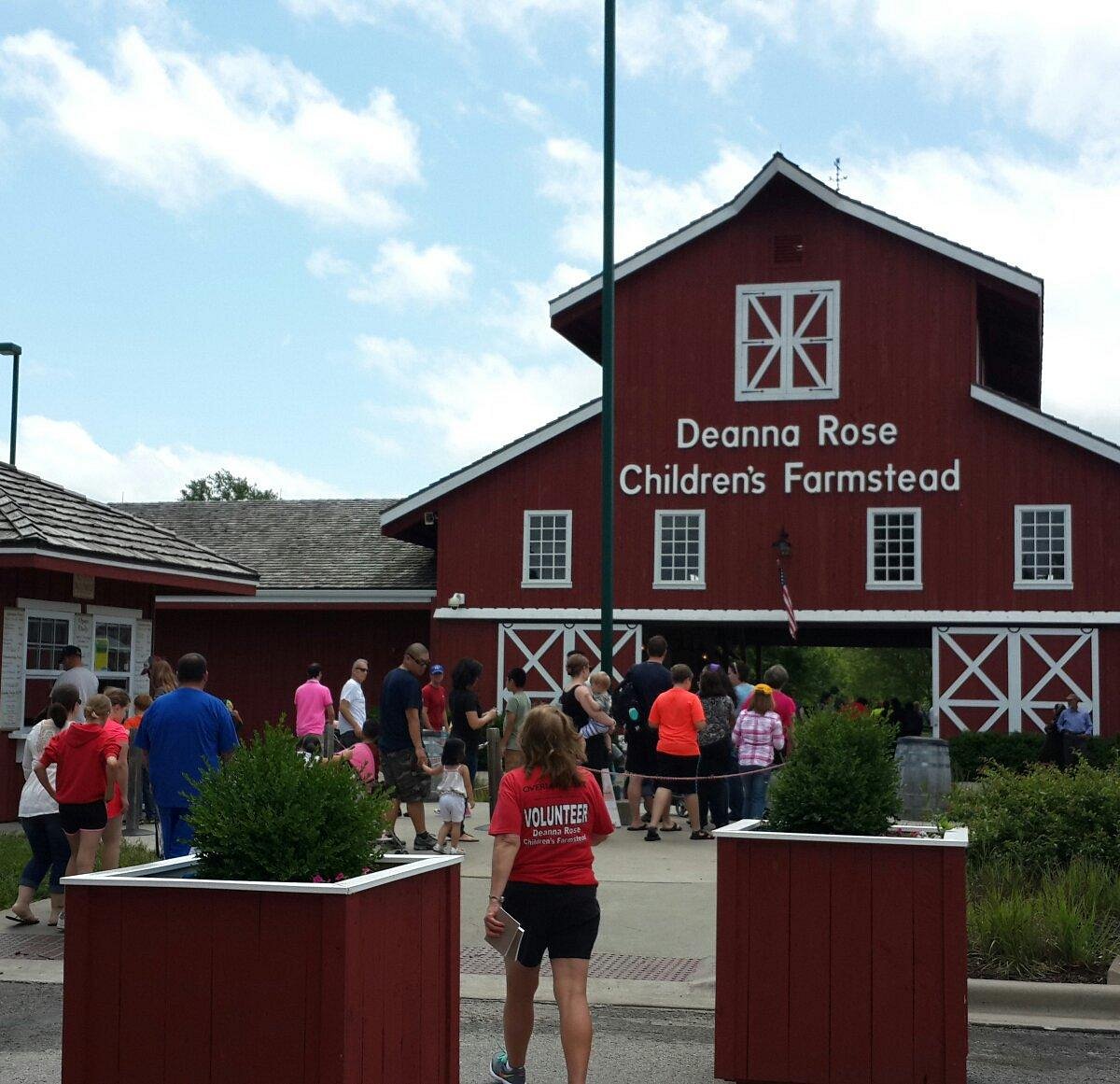
Deanna Rose Farmstead stands as a testament to Kansas’ rich agricultural heritage, blending tradition with innovation to cultivate more than just crops—it nurtures community, sustainability, and a deep connection to the land. Founded in the heart of rural Kansas, the farmstead embodies the resilience and adaptability of Midwestern farming families, evolving from a modest homestead into a model of modern agricultural excellence. Its story reflects the broader narrative of American farm life, where each generation builds upon the legacy of those who came before, while navigating the challenges of an ever-changing world. From its early days as a family-operated farm to its current status as a hub for sustainable practices and educational outreach, Deanna Rose Farmstead remains a cornerstone of Kansas’ agricultural identity.
Origins and Founding: The Roots of Deanna Rose Farmstead
The origins of Deanna Rose Farmstead trace back to 1923, when the land was first settled by the Rose family, pioneers who migrated from Missouri seeking fertile soil and economic opportunity in Kansas. The farmstead was initially established as a mixed-use operation, combining grain cultivation, livestock rearing, and small-scale horticulture to sustain the family through the Great Depression. The name "Deanna Rose" was later adopted in honor of Deanna Rose, the granddaughter of the original settlers, who played a pivotal role in expanding the farm’s operations in the 1960s by introducing high-value crops such as heirloom tomatoes, berries, and specialty herbs. This shift marked the beginning of a transition from subsistence farming to a market-driven agricultural model, aligning with post-war demand for fresh, locally grown produce.
The farmstead’s early years were defined by hardship and ingenuity, with the Rose family developing drought-resistant crop varieties and efficient irrigation techniques to combat Kansas’ harsh climate. By the 1980s, Deanna Rose Farmstead had become a regional supplier of organic produce and value-added goods, such as jams, honey, and handcrafted cheeses, under the guidance of third-generation farmer, Thomas Rose. His leadership introduced sustainable farming practices, including crop rotation and reduced chemical use, which would later become the farm’s hallmark.
Evolution and Milestones: A Century of Growth and Adaptation
Deanna Rose Farmstead’s journey through the decades is marked by key milestones that reflect broader trends in agriculture while maintaining its unique identity. Below is a timeline of significant events that shaped the farmstead’s evolution:
| Year | Event | Description | Impact |
|---|---|---|---|
| 1923 | Land Settlement | The Rose family acquires 160 acres of land in rural Kansas, establishing a homestead focused on grain and livestock. | Laying the foundation for a self-sustaining farm; introduction of basic crop diversification. |
| 1945 | Post-War Expansion | Expansion to 300 acres; introduction of dairy farming and small-scale fruit orchards to meet rising consumer demand. | Increased farm income; early adoption of mechanized farming tools. |
| 1962 | Heirloom Crop Introduction | Deanna Rose begins cultivating heirloom tomato and pepper varieties, sourced from family recipes and regional seed banks. | Differentiation in the market; preservation of agricultural biodiversity. |
| 1985 | Organic Certification | Farmstead achieves USDA Organic certification, becoming one of the first in Kansas to adopt chemical-free farming. | Access to premium markets; establishment of sustainable farming as a core principle. |
| 2001 | Community-Supported Agriculture (CSA) Launch | Introduction of a CSA program, allowing local residents to subscribe for weekly produce deliveries. | Strengthened farm-community ties; steady revenue stream. |
| 2010 | Renewable Energy Adoption | Installation of a 50-kW solar panel system to power farm operations, reducing reliance on fossil fuels. | Lower operational costs; model for sustainable energy in agriculture. |
| 2018 | Farmstead Expansion and Education Center | Construction of a 2,500 sq. ft. education center and expansion of U-pick gardens, doubling the farm’s acreage to 600 acres. | Enhanced educational outreach; increased capacity for sustainable farming demonstrations. |
| 2023 | Centennial Celebration and Future Plans | Centennial anniversary marked by a harvest festival and announcement of plans to introduce agroforestry practices and vertical farming for high-value crops. | Celebration of legacy; positioning for climate-resilient agriculture. |
The farmstead’s ability to adapt to technological and market shifts—such as the transition from conventional to organic farming, the adoption of renewable energy, and the integration of digital tools—demonstrates its resilience. Unlike many farms that struggled during the 1980s farm crisis or the 2008 financial downturn, Deanna Rose Farmstead thrived by diversifying its product line and fostering direct relationships with consumers. This adaptability is a defining characteristic of the farm’s success.
Cultural and Regional Significance in Kansas
Deanna Rose Farmstead is more than an agricultural operation; it is a cultural institution deeply embedded in the fabric of Kansas life. The farmstead has played a pivotal role in preserving rural traditions, supporting local economies, and educating future generations about the importance of sustainable land stewardship. In a state where agriculture accounts for over 20% of the economy, farms like Deanna Rose serve as economic engines, providing jobs, tax revenue, and fresh produce to communities.
One of Deanna Rose’s most enduring contributions is its role in Kansas’ agricultural education system. The farmstead collaborates with Kansas State University Extension and local 4-H clubs to offer hands-on learning experiences for students, teaching them about soil health, pest management, and farm business planning. Additionally, the farm has been instrumental in reviving interest in heirloom and heritage crops, many of which were at risk of disappearing due to industrial agriculture’s dominance. By maintaining seed banks and hosting workshops on seed saving, Deanna Rose has become a guardian of genetic diversity, ensuring that future generations can continue to grow the same varieties that sustained Kansas farmers for over a century.
The farmstead’s influence extends beyond education and biodiversity. It has also been a catalyst for community events, such as the Annual Kansas Harvest Festival, which draws thousands of visitors each fall. This event showcases local artisans, musicians, and farmers, reinforcing the idea that agriculture is not just about production but also about cultural celebration. Furthermore, Deanna Rose has been a leader in farm-to-table initiatives, partnering with restaurants in Wichita and Topeka to supply fresh, seasonal ingredients. This collaboration has elevated Kansas cuisine, introducing diners to hyper-local flavors that were previously unavailable outside of farmers' markets.
Adapting to Changing Agricultural Trends
The agricultural landscape has undergone dramatic transformations in the past century, from the Green Revolution’s chemical-intensive practices to today’s precision farming and regenerative agriculture movements. Deanna Rose Farmstead has not only kept pace with these changes but has often set the standard for innovation in sustainable farming. The farmstead’s ability to balance tradition with modernity is evident in its approach to crop selection, technology adoption, and market strategy.
One of the most significant shifts in modern agriculture is the demand for organic and regenerative products. Deanna Rose anticipated this trend by obtaining USDA Organic certification in 1985, decades before organic farming became mainstream. Today, over 60% of the farm’s output is organic, with a focus on low-input, high-diversity
Deanna Rose Farmstead in Kansas embodies the perfect synthesis of heritage and innovation, proving that agriculture can thrive without compromising its roots. Through sustainable practices, community engagement, and a commitment to quality, the farmstead has carved a niche as both a producer of exceptional goods and a guardian of rural traditions. For visitors, it offers a glimpse into the soul of Kansas farming—where every harvest is a celebration, every workshop a lesson, and every product a promise of authenticity. As the farm looks toward the future, its legacy continues to grow, one seed, one season, and one shared meal at a time.
Leave a Comment
Comments are moderated before appearing. The data you submit is processed according to the Privacy Policy of Work Cloud.