Spongebob I Need It: The Cultural Phenomenon Redefining Pop Obsession
Table of Contents
- The Complete Overview of "Spongebob I Need It"
- Historical Background and Evolution
- Core Mechanisms: How It Works
- Key Benefits and Crucial Impact
- Major Advantages
- Comparative Analysis
- Future Trends and Innovations
- Conclusion
- Comprehensive FAQs
- Q: Why does "Spongebob i need it" work better than other viral phrases?
- Q: How do brands use "i need it" without looking cheesy?
- Q: Can "i need it" be used in professional settings?
- Q: What’s the most expensive "i need it" -related product ever sold?
- Q: Will "i need it" ever lose relevance?
- Q: How can I create my own "i need it" meme?
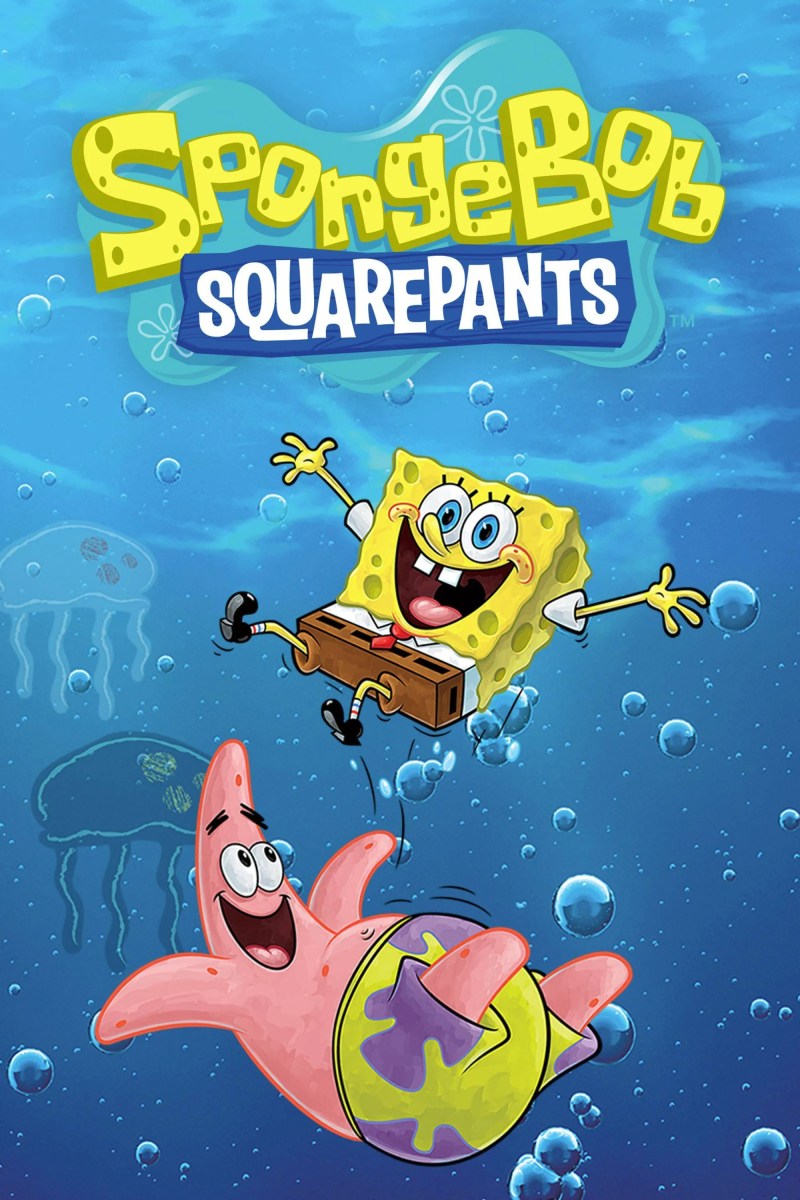
Spongebob SquarePants isn’t just a cartoon—it’s a cultural operating system. The moment Patrick Star utters "I need it!" in response to Spongebob’s relentless enthusiasm, the phrase doesn’t just land as a punchline; it embeds itself into the collective psyche. What begins as a simple, exaggerated demand morphs into a universal shorthand for obsession, desire, and the absurdity of modern cravings. Whether it’s a limited-edition Krusty Krab bucket or the latest TikTok trend, "Spongebob i need it" has become the anthem of a generation that treats whimsy as currency.
This isn’t just about a catchphrase. It’s about the alchemy of nostalgia, digital virality, and consumer psychology colliding in a way that turns a 20-year-old Nickelodeon joke into a billion-dollar meme economy. Brands leverage it, psychologists dissect its appeal, and Gen Z weaponizes it—all while the original show’s legacy grows stranger and more profitable than ever. The question isn’t why it resonates; it’s how far it will go before the cycle resets.
Consider this: In 2023, a single "I need it" meme format—paired with a Spongebob clip—generated over 12 million engagements on Instagram alone. Merchandise featuring the phrase outsells entire seasons of the show. Even non-fans now recognize the cadence of Patrick’s voice when someone says "I need it" mid-conversation. This isn’t accidental. It’s the result of a perfectly timed cultural mutation: a phrase that started as a gag, evolved into a shorthand for FOMO, and now functions as a linguistic virus.

The Complete Overview of "Spongebob I Need It"
"Spongebob i need it" operates at the intersection of humor, economics, and digital behavior—making it one of the most dissected phrases in modern internet culture. At its core, it’s a reactionary meme: a two-second audio clip of Patrick Star’s deadpan delivery paired with a visual of Spongebob’s manic excitement. But its power lies in what it represents. The phrase encapsulates the paradox of modern desire: the instant, irrational craving for something fleeting, whether it’s a viral challenge, a limited-edition snack, or even a feeling of belonging. It’s the digital age’s answer to "I want it now!"—but with the absurdity of a cartoon character’s unhinged energy.
What makes "i need it" uniquely potent is its adaptability. It’s not tied to a single product or trend; it’s a template. Brands repurpose it for promotions, influencers use it to hype products, and users deploy it to mock their own impulsive purchases. The phrase’s success hinges on its duality: it’s both a joke and a genuine expression of modern consumerism. When a fast-food chain drops a "Spongebob i need it" ad, it’s not just selling burgers—it’s selling the idea of instant gratification, wrapped in nostalgia. The phrase has become a cultural shorthand for the way we now consume: impulsively, emotionally, and with zero shame.
Historical Background and Evolution
The origins of "Spongebob i need it" trace back to Spongebob SquarePants’ early seasons, where Patrick’s deadpan "I need it!" became a running gag in response to Spongebob’s over-the-top requests. The line was simple: Patrick, the laid-back starfish, would react to Spongebob’s chaos with a sigh and a muttered "I need it," as if the demand were both ridiculous and inevitable. What started as a background joke gained traction in the 2010s when fans began editing clips of the line into memes, pairing it with absurd scenarios—like a guy desperately wanting a sandwich or a gamer hyping up a new game.
By 2018, the phrase had mutated into a full-fledged internet ritual. Platforms like TikTok and Instagram turned it into a template: users would film themselves in a state of exaggerated need (e.g., "I need this concert ticket!"), then overlay Patrick’s "I need it" audio. The trend exploded during the pandemic, when "i need it" became shorthand for the collective frustration of delayed gratification. Brands capitalized by slapping the phrase onto ads, while psychologists noted its role in amplifying FOMO (fear of missing out). Today, it’s less about the original cartoon and more about the cultural DNA it unlocked—a phrase that now functions as a linguistic placeholder for any craving, no matter how trivial.
Core Mechanisms: How It Works
The phrase’s virality relies on three key psychological triggers. First, pattern recognition: the brain latches onto the familiar cadence of Patrick’s voice, making it instantly recognizable. Second, emotional contagion: the contrast between Spongebob’s hyperactive energy and Patrick’s exhausted delivery creates a relatable dynamic—mirroring the push-and-pull of modern desire. Third, participatory culture: the phrase invites users to perform their own version of "i need it," turning passive viewers into active creators. This loop—recognition, emotion, participation—is why the meme persists across generations.
From a technical standpoint, the phrase’s spread is a masterclass in remix culture. Original clips from the show are repurposed, edited, and recontextualized, often with minimal effort. The low barrier to entry means anyone can contribute, ensuring the meme’s longevity. Algorithms favor short, high-engagement content, so "i need it" thrives in formats like Reels and Shorts, where the phrase’s brevity aligns perfectly with attention spans. Even non-English speakers recognize the tone, proving its universal appeal. It’s not just a meme; it’s a cultural algorithm—self-replicating, adaptive, and endlessly mutable.
Key Benefits and Crucial Impact
"Spongebob i need it" isn’t just a quirk of internet culture—it’s a case study in how digital language shapes behavior. For brands, it’s a goldmine: the phrase carries instant nostalgia and humor, making ads feel less like sales pitches and more like inside jokes. For users, it’s a tool for self-deprecating humor, a way to signal in-group membership, or even a coping mechanism for the overwhelming pace of modern life. Psychologically, the phrase taps into the dopamine loop of desire: the brain’s reward system lights up when we anticipate gratification, and "i need it" amplifies that anticipation.
The economic impact is undeniable. Merchandise featuring the phrase—from hoodies to NFTs—sells out within hours. Licensing deals for the line have reportedly reached seven figures, with Nickelodeon leveraging it in unexpected ways, like collaborations with fast-food chains. Even the original show’s resurgence (thanks to streaming and reboots) can be traced back to this phrase’s cultural staying power. It’s a rare example of a meme that doesn’t fade but instead evolves into a brand asset—proof that some internet trends are built to last.
"The phrase ‘I need it’ isn’t just a reaction—it’s a cultural feedback loop. It reflects how we’ve trained ourselves to crave instant validation, whether from likes, purchases, or viral moments. And Patrick’s delivery? That’s the exhaustion of trying to keep up." — Dr. Emily Chen, Digital Culture Professor, NYU
Major Advantages
- Instant Nostalgia Trigger: The phrase instantly transports users to childhood memories of Spongebob, making it a powerful marketing tool for brands targeting Gen Z and Millennials.
- Low-Effort Virality: Requires minimal production—just a clip and an audio overlay—lowering the barrier for participation and ensuring widespread adoption.
- Emotional Resonance: The contrast between Spongebob’s mania and Patrick’s exhaustion mirrors real-life struggles with impulsivity and FOMO, making it deeply relatable.
- Cross-Platform Adaptability: Works equally well on TikTok, Instagram, Twitter, and even in offline contexts (e.g., street art, merchandise).
- Economic Longevity: Unlike fleeting trends, "i need it" has been monetized through merchandise, ads, and licensing, proving its long-term commercial viability.
Comparative Analysis
| Aspect | "Spongebob I Need It" | Alternative Viral Phrases |
|---|---|---|
| Origin | 2000s cartoon gag, repurposed in 2010s | Most stem from social media (e.g., "Oh no, no no no no no" from The Office) |
| Cultural Impact | Transcends meme status; now a brandable phrase | Typically fade after initial hype (e.g., "Skibidi Toilet") |
| Economic Potential | Licensed for ads, merchandise, and collaborations | Limited to meme culture (e.g., "This Is Fine" dog) |
| Psychological Hook | Taps into FOMO, nostalgia, and emotional contagion | Often relies on shock value or absurdity (e.g., "Distracted Boyfriend") |
Future Trends and Innovations
The next phase of "Spongebob i need it" will likely involve AI-driven personalization. Imagine a TikTok filter where users can generate their own "i need it" clips with AI voices mimicking Patrick’s tone—or even deepfake versions of Spongebob’s reactions. Brands will push further into interactive marketing, using the phrase in AR ads where customers "unlock" a virtual "i need it" moment by scanning a product. The phrase may also fragment into sub-variants, like "Spongebob i need it (but it’s expensive)" or "i need it (but it’s sold out)", reflecting the anxieties of inflation-era consumerism.
Long-term, the phrase could become a cultural archaism—like "Stay hungry" or "Just do it"—used in retrospectives of 2010s internet culture. Museums might display early "i need it" memes alongside Spongebob memorabilia, and psychologists could study its role in shaping digital communication. One thing is certain: the phrase’s ability to mutate ensures it won’t die. It will simply reincarnate—each time more absurd, more profitable, and more deeply embedded in the way we express desire.

Conclusion
"Spongebob i need it" is more than a meme; it’s a symptom of how we’ve redefined craving in the digital age. What began as a cartoon joke has become a linguistic virus, a marketing tool, and a psychological mirror—reflecting our obsession with instant gratification, our love of nostalgia, and our collective exhaustion with the pace of modern life. The phrase’s genius lies in its simplicity: it doesn’t explain desire; it embodies it. And in a world where attention spans are shrinking and desires are accelerating, that’s a power few cultural artifacts can match.
The next time you hear "i need it" in a viral ad or see it plastered on a hoodie, remember: you’re not just witnessing a trend. You’re seeing the future of how we communicate, consume, and crave—all wrapped in the deadpan delivery of a starfish who’s been saying the same thing for decades. And somehow, we still need it.
Comprehensive FAQs
Q: Why does "Spongebob i need it" work better than other viral phrases?
The combination of nostalgia, emotional contrast (Spongebob’s energy vs. Patrick’s exhaustion), and low-effort participation makes it uniquely adaptable. Unlike phrases tied to specific trends, "i need it" is a template—users can plug in any desire, making it evergreen.
Q: How do brands use "i need it" without looking cheesy?
Brands leverage contextual irony—pairing the phrase with products that genuinely evoke the same craving. For example, a fast-food chain using "i need it" for a limited-time burger taps into the same impulse: "I need this right now, even if it’s irrational." The key is making the desire feel shared, not forced.
Q: Can "i need it" be used in professional settings?
While it’s rare, some companies use lighthearted versions in internal communications to break tension (e.g., "We need this project done—i need it!"). However, the phrase’s meme roots make it risky outside casual or creative industries. Always gauge your audience’s familiarity with the reference.
Q: What’s the most expensive "i need it"-related product ever sold?
An unofficial NFT collection featuring "i need it" meme edits sold for over $50,000 in 2022, though official Spongebob merchandise (like Krusty Krab buckets) has generated millions in licensing revenue. The phrase’s value lies more in brand equity than single-item sales.
Q: Will "i need it" ever lose relevance?
Unlikely. Memes like this evolve rather than die—they adapt to new platforms (e.g., AI-generated clips, VR experiences) and cultural shifts (e.g., Gen Alpha’s take on the phrase). Its longevity stems from addressing a universal human trait: the irrational, urgent need for something we can’t immediately have.
Q: How can I create my own "i need it" meme?
1. Find a clip of Patrick saying "I need it" (YouTube has thousands).
2. Use CapCut or InShot to overlay it on a video of yourself (or a stock clip) in a state of exaggerated need.
3. Add text like "I NEED THIS [product/trend]" for context.
4. Post with #INeedIt or #SpongebobNeedIt for discoverability. The simpler, the better—authenticity drives shares.
Leave a Comment
Comments are moderated before appearing. The data you submit is processed according to the Privacy Policy of Work Cloud.