The Forgotten Legacy: Pope John Paul I’s Brief but Profound Papacy
Table of Contents
- The Complete Overview of Pope John Paul I
- Historical Background and Evolution
- Core Mechanisms: How It Works
- Key Benefits and Crucial Impact
- Major Advantages
- Comparative Analysis
- Future Trends and Innovations
- Conclusion
- Comprehensive FAQs
- Q: Why was Pope John Paul I’s papacy so short?
- Q: What was Pope John Paul I’s real name?
- Q: Did Pope John Paul I have any major teachings?
- Q: How did Pope John Paul I influence later popes?
- Q: Are there any books or films about Pope John Paul I?
- Q: Why is Pope John Paul I called the "Smiling Pope"?
- Q: What was Pope John Paul I’s relationship with the media?
The pontificate of Pope John Paul I remains one of the most enigmatic in modern Vatican history—a fleeting yet transformative era that reshaped perceptions of the papacy. Known as the "Smiling Pope" for his warm demeanor, Albino Luciani served for just 33 days before his sudden death in 1978, leaving behind a legacy of pastoral simplicity and theological clarity. His brief tenure challenged the narrative that leadership in the Catholic Church required decades of preparation, proving instead that authenticity and compassion could redefine authority.
The mystery surrounding Pope John Paul I deepens when examining the circumstances of his election. Selected by the College of Cardinals in a surprise conclave, he emerged as a compromise candidate—neither a conservative traditionalist nor a progressive reformer, but a man of balanced wisdom. His choice of the double name "John Paul" was deliberate, symbolizing continuity with his predecessors while carving his own path. Yet, his untimely death at age 65 cast a shadow over his vision, leaving scholars and believers to dissect what might have been.
What makes the story of Pope John Paul I particularly compelling is the contrast between his humble origins and his rapid ascent. Born in a small Italian village, he rose through the Church’s ranks with a reputation for humility, often referring to himself as the "bishop of Rome" rather than the pope. His pastoral letters and daily audiences radiated a warmth that contrasted sharply with the austere image of his predecessor, Paul VI. The question lingers: If given more time, how might he have reshaped the Church’s trajectory in an era of upheaval?

The Complete Overview of Pope John Paul I
The pontificate of Pope John Paul I was a paradox—a whirlwind of reformist energy cut short by tragedy. His election on August 26, 1978, marked the first time in 455 years that a pope took a double name, a deliberate nod to the legacy of John XXIII and Paul VI while signaling a fresh approach. Luciani’s background as a bishop and patriarch of Venice, coupled with his reputation for intellectual rigor and pastoral care, positioned him as a bridge between tradition and modernity. Yet, his sudden death on September 28, 1978, just 33 days into his papacy, left the Church—and the world—grappled with unanswered questions.What distinguishes Pope John Paul I from other modern pontiffs is the sheer brevity of his reign, which paradoxically amplified his impact. His daily general audiences, broadcast globally, became cultural events, blending theological depth with approachable language. He spoke of the Church as a "field hospital," emphasizing mercy over dogma. His encyclical Octogesima Adveniens (On the Development of Peoples) hinted at a more socially engaged papacy, advocating for economic justice in a post-Vatican II world. The tragedy of his death, officially ruled a heart attack but shrouded in conspiracy theories, only heightened the intrigue surrounding his legacy.
Historical Background and Evolution
The rise of Pope John Paul I must be understood within the turbulent context of the late 1970s, a period marked by the aftermath of Vatican II (1962–1965) and the growing polarization within the Church. Luciani’s election was, in many ways, a reaction to the divisions that had emerged between conservative and progressive factions. As a moderate, he represented a middle path—someone who respected tradition but was open to the reforms of the Council. His background as a bishop in Venice, a city known for its cultural and religious syncretism, further shaped his ecumenical and inclusive approach.Luciani’s theological formation was deeply rooted in the works of St. Thomas Aquinas and the neo-Thomist revival of the early 20th century, yet he was also influenced by the pastoral theology of John XXIII and the social teachings of Paul VI. His writings, particularly his pastoral letters from Venice, revealed a man who was both a scholar and a shepherd, equally comfortable in the cathedral and the parish. The mystery of his papacy lies in how he might have navigated the Church’s internal struggles had he lived longer. His sudden death not only deprived the faithful of his leadership but also left a void in understanding how his vision could have reconciled the tensions of his time.
Core Mechanisms: How It Works
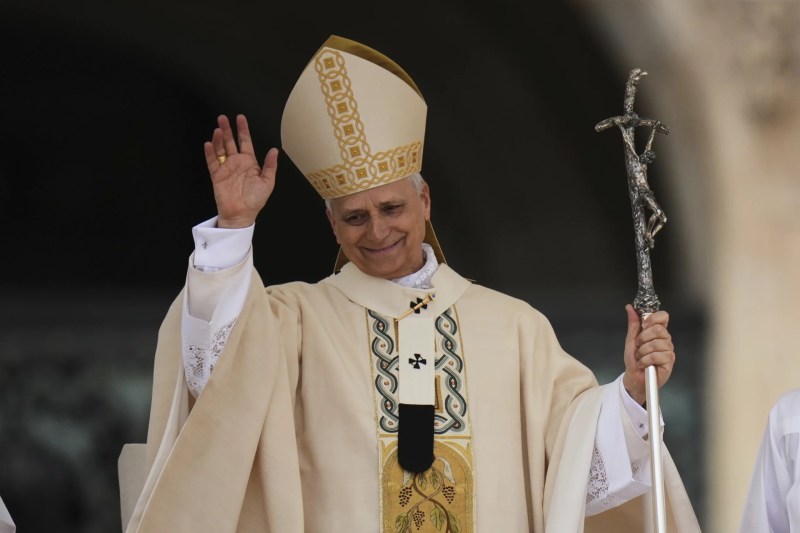
The leadership style of Pope John Paul I was defined by three key principles: accessibility, simplicity, and theological clarity. Unlike his predecessors, who often adopted a more formal and distant tone, Luciani spoke in a conversational manner, using everyday language to explain complex doctrines. His general audiences, which drew massive crowds, were structured around clear themes—such as the virtues, the sacraments, and the life of Christ—delivered with a warmth that made them feel like homilies rather than pontifical lectures.Another defining mechanism was his emphasis on the Church as a communio, a community of believers rather than an institution. He frequently cited the Second Vatican Council’s Lumen Gentium, which defined the Church as the "people of God," and sought to embody this vision in his governance. His decision to live in the papal apartments rather than the Apostolic Palace, and his insistence on wearing simple vestments, were symbolic acts that underscored his rejection of clericalism. Even his choice of a white cassock with a simple pectoral cross—rather than the traditional red or gold—became iconic, reinforcing his image as a pastor rather than a monarch.
Key Benefits and Crucial Impact
The legacy of Pope John Paul I lies not in the grand reforms he enacted but in the cultural shift he inspired within the Church. His papacy, though brief, demonstrated that leadership could be both authoritative and approachable, a model that would later be embraced by Pope John Paul II and Francis. By prioritizing pastoral care over bureaucratic rigidity, he set a precedent for a more humanized papacy, one that valued dialogue over decree. His death, while tragic, also served as a catalyst for reflection on the fragility of human leadership and the need for humility in governance.The impact of Pope John Paul I extended beyond theology into the realm of public perception. His "Smiling Pope" moniker was not merely a marketing gimmick but a reflection of his genuine warmth. In an era of political and religious turmoil, his message of hope and reconciliation resonated deeply. Even today, his writings and speeches are studied for their balance between doctrinal fidelity and pastoral sensitivity. The question of what might have been remains, but his influence is undeniable—a reminder that sometimes, the most profound legacies are those left unfinished.
"Let us not be afraid to go out on the streets, to go out and work for peace." —Pope John Paul I, from his first general audience.
Major Advantages
- Pastoral Innovation: Pope John Paul I redefined the papacy’s public face by making it more accessible. His general audiences were structured to engage laypeople, not just clergy, setting a template for future popes.
- Theological Clarity: His teachings, though concise, were deeply rooted in Scripture and Tradition, offering a middle ground between conservative and progressive interpretations of Vatican II.
- Symbolic Leadership: His rejection of clerical pomp—simple vestments, modest living—challenged the perception of the pope as a distant figurehead, emphasizing his role as a servant.
- Ecumenical Outreach: His emphasis on dialogue and unity among Christians hinted at a more inclusive approach to interfaith relations, a theme later expanded by Pope John Paul II.
- Cultural Resonance: His warmth and humor made him a relatable figure, bridging the gap between the Church and modern society in a way few pontiffs had achieved.
Comparative Analysis
| Aspect | Pope John Paul I | Pope John Paul II |
|---|---|---|
| Reign Duration | 33 days (1978) | 26 years (1978–2005) |
| Leadership Style | Pastoral, humble, conversational | Charismatic, global, symbolic |
| Major Themes | Church as "field hospital," social justice | Human dignity, evangelization, ecumenism |
| Legacy | Redefined papal approachability | Globalized Catholicism, canonized saints |
Future Trends and Innovations
The influence of Pope John Paul I continues to shape discussions on the role of the papacy in the 21st century. His emphasis on pastoral care over institutional power has become a blueprint for modern pontiffs, particularly Pope Francis, who has similarly prioritized humility and social outreach. Future trends in Vatican leadership may increasingly reflect Luciani’s model—one that values dialogue, simplicity, and a focus on the marginalized. As the Church grapples with declining membership and internal divisions, his legacy offers a counterpoint to the traditionalist and progressive extremes, advocating instead for a Church that is both rooted in tradition and open to the world.Innovations in papal communication, such as the use of social media by Pope Francis, can also be traced back to Pope John Paul I’s recognition of the need for the Church to engage with modern culture. His brief but impactful papacy serves as a reminder that leadership in religion, as in all fields, must adapt to the needs of its time. The challenge for future pontiffs will be to balance Luciani’s pastoral vision with the demands of a rapidly changing global landscape.

Conclusion
The story of Pope John Paul I is one of contrasts—a man of deep faith who died before his time, whose legacy was both profound and incomplete. His papacy, though brief, was a turning point, proving that the Church could evolve without losing its identity. The mystery surrounding his death only adds to his allure, inviting generations to speculate on what might have been. Yet, his true gift was not in the reforms he enacted but in the example he set: a leader who was both a theologian and a shepherd, a scholar and a friend.As the Catholic Church continues to navigate the complexities of the modern world, the lessons of Pope John Paul I remain relevant. His life teaches us that leadership is not about titles or tenure but about service, humility, and the courage to speak truth with kindness. In an era where institutions often struggle to connect with their followers, his legacy stands as a testament to the enduring power of authenticity.
Comprehensive FAQs
Q: Why was Pope John Paul I’s papacy so short?
His reign lasted only 33 days due to his sudden death on September 28, 1978. The official cause was a heart attack, though conspiracy theories—including poisoning—have persisted. The Vatican’s investigation concluded natural causes, but the mystery remains a subject of speculation.
Q: What was Pope John Paul I’s real name?
His birth name was Albino Luciani, an Italian bishop and patriarch of Venice before his election as pope. He chose the double name "John Paul" to honor his predecessors John XXIII and Paul VI while asserting his own identity.
Q: Did Pope John Paul I have any major teachings?
Yes, though his papacy was brief, he authored key documents like Octogesima Adveniens (On the Development of Peoples), which emphasized social justice and economic equity. His general audiences also covered themes like mercy, the sacraments, and the Church as a "field hospital."
Q: How did Pope John Paul I influence later popes?
His pastoral approach and emphasis on accessibility laid the groundwork for Pope John Paul II’s global outreach and Pope Francis’ focus on humility. His rejection of clericalism and emphasis on dialogue became defining traits of modern papal leadership.
Q: Are there any books or films about Pope John Paul I?
Yes, several works explore his life, including The Smile of God by Peter Hebblethwaite and The Mystery of Pope John Paul I by David Yallop (which sparked controversy for its conspiracy theories). Documentaries like The Smiling Pope (2018) also examine his legacy.
Q: Why is Pope John Paul I called the "Smiling Pope"?
The nickname originated from his warm, approachable demeanor and frequent smiles during audiences and public appearances. Unlike his predecessors, who often projected a more solemn or distant image, Luciani’s genuine warmth made him instantly likable to the faithful.
Q: What was Pope John Paul I’s relationship with the media?
He was one of the first popes to engage directly with the media, using radio and television to reach a global audience. His general audiences were broadcast widely, making him a media-savvy pontiff ahead of his time.
Leave a Comment
Comments are moderated before appearing. The data you submit is processed according to the Privacy Policy of Work Cloud.